
Выбор материала для точного литья в медицинской и аэрокосмической промышленности: сравнение характеристик и применения литья из углеродистой стали, нержавеющей стали, алюминиевого сплава и меди
11.07.2026
Содержание
1. Введение в выбор материалов для точного литья для высокотехнологичных отраслей
2. Основные стандарты оценки характеристик точного литья
3. Сравнение характеристик углеродистой стали, нержавеющей стали, алюминиевых сплавов и медных отливок
4. Применение точного литья в сценариях медицинского литья
5. Правила выбора материалов для компонентов аэрокосмического литья
6. Промышленные часто задаваемые вопросы о выборе материалов для точного литья
1. Введение в выбор материалов для точного литья для высокотехнологичных отраслей
Технология точного литья является основным производственным процессом для высокоточных деталей в медицинском оборудовании и аэрокосмической отрасли. Выбор материала напрямую определяет безопасность компонентов, срок службы и эксплуатационную стабильность.
Многие инженеры-конструкторы сосредотачиваются только на точности размеров деталей. Они часто упускают из виду степень соответствия материала отливки фактическим условиям эксплуатации.
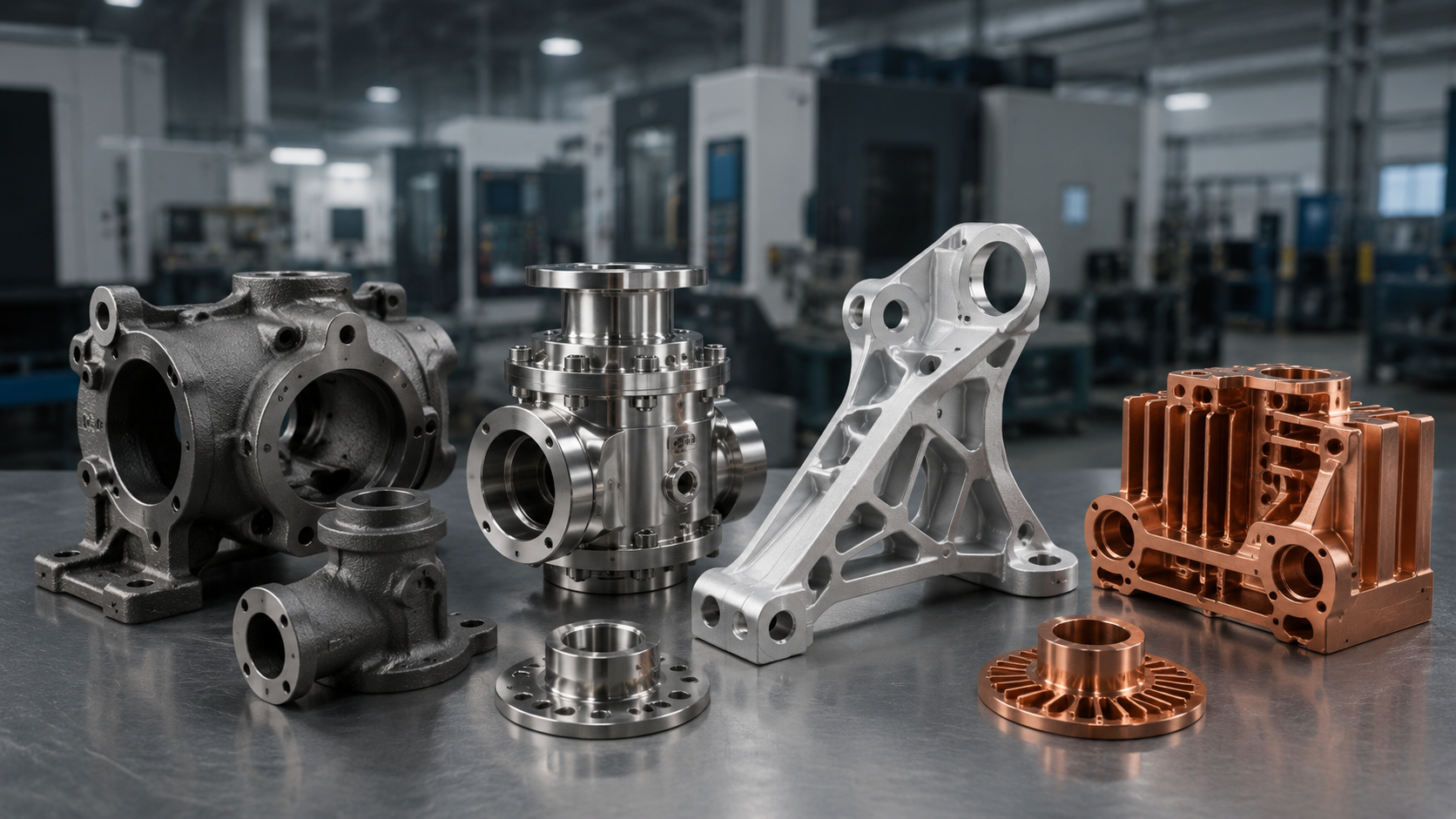
Распространенные материалы для точного литья на рынке включают отливки из углеродистой стали, отливки из нержавеющей стали, отливки из алюминиевых сплавов и медные отливки. Каждый материал имеет совершенно разные механические свойства и экологическую адаптивность.
Согласно статистике промышленного литейного производства за 2025 год, неправильный подбор материала составляет более 62% случаев отказов высокотехнологичных литых компонентов. Разумный выбор материала для точного литья является ключом к снижению процента брака деталей.
2. Основные стандарты оценки характеристик точного литья
2.1 Показатели механических свойств
Предел прочности при растяжении, твердость, износостойкость и усталостная прочность являются основными оценочными параметрами для всех точных отливок.
Детали аэрокосмической отрасли требуют сверхвысокой усталостной прочности. Медицинское литье уделяет первостепенное внимание качеству поверхности и структурной стабильности.
2.2 Адаптивность к окружающей среде
Коррозионная стойкость, стойкость к высоким и низким температурам и биосовместимость являются критически важными для применений в высокотехнологичных отраслях.
Медицинские устройства должны быть устойчивы к коррозии под воздействием дезинфицирующих средств. Компоненты аэрокосмической отрасли должны выдерживать экстремальные перепады температуры и давления.
2.3 Process & Адаптивность к стоимости
Различные литейные материалы имеют разную сложность формовки. Это влияет на выход годного и долгосрочную стоимость применения прецизионных деталей.
3. Сравнение характеристик основных материалов для прецизионного литья
Приведенная ниже таблица сравнения характеристик литья объединяет международные стандарты ASTM по литью, демонстрируя ключевые преимущества и области применения четырех основных материалов.
Тип литейного материала | Комплексная прочность | Коррозионная стойкость | Весовая характеристика | Основные сценарии применения |
Стальные отливки из углеродистой стали | Высокая конструкционная прочность, хорошая вязкость | Обычная, легко окисляется без обработки | Средний вес | Механические конструкционные детали, промышленные компоненты с низкой коррозией |
Стальное литье | Средне-высокая прочность, стабильные характеристики | Отличная, антикоррозийная и устойчивая к химической коррозии | Средний вес | Медицинское литье, санитарное оборудование, точные приборы |
Литье из алюминиевых сплавов | Умеренная прочность, хорошая пластичность | Хорошая стойкость к окислению | Сверхлегкий | Авиационное литье, легкие точные конструкционные детали |
Медное литье | Средняя прочность, отличная износостойкость | Высокая коррозионная стойкость и антиоксидантная способность | Большой вес | Прецизионные токопроводящие детали, износостойкие механические компоненты |
Это сравнение характеристик литья четко отражает дифференцированное позиционирование каждого материала. Ни один материал не может покрыть все потребности высокотехнологичного производства.
Слепое стремление к высокопрочным материалам приведет к перерасходу средств. Выбор низкопроизводительных материалов может создать потенциальные угрозы безопасности.
4. Применение точного литья в сценариях медицинского литья
Медицинские литые изделия предъявляют чрезвычайно строгие требования к биосовместимости и коррозионной стойкости.
Литье из нержавеющей стали является наиболее широко используемым материалом в медицинской промышленности. Оно выдерживает многократную высокотемпературную дезинфекцию и химическую очистку.
Частичные облегченные корпуса медицинского оборудования и вспомогательные конструкции изготавливаются из алюминиевых сплавов. Это снижает вес оборудования при сохранении структурной стабильности.
Литье из углеродистой стали редко используется при прямом контакте с телом человека. Оно применяется только для внутренних опорных конструктивных элементов медицинского оборудования.
5. Правила выбора материалов для авиационных литых компонентов
Авиационное литье выбирает легкость и высокую усталостную прочность в качестве основных критериев выбора.
Литье из алюминиевых сплавов становится предпочтительным материалом для наружных конструктивных элементов авиационной техники. Его сверхлегкий вес эффективно снижает нагрузку на самолет и расход энергии.
Для высоконагруженных и высоконапорных основных компонентов производители выбирают литье из углеродистой стали и специальной нержавеющей стали для обеспечения безопасности полетов.
Медные отливки в основном используются для аэрокосмических прецизионных токопроводящих и теплопроводящих деталей благодаря их превосходной электропроводности.
6. Промышленные часто задаваемые вопросы по выбору материалов для точного литья
Вопрос 1: Какой материал наиболее подходит для стандартных медицинских литых деталей?
Ответ 1: Литье из нержавеющей стали является основным выбором. Оно соответствует медицинским стандартам коррозионной стойкости и биосовместимости, подходит для большинства деталей хирургического и диагностического оборудования.
Вопрос 2: Почему аэрокосмическое литье предпочитает алюминиевые сплавы?
Ответ 2: Алюминиевый сплав имеет низкую плотность и высокую удельную прочность. Он снижает общий вес без потери структурных характеристик, что незаменимо для авиационных энергосберегающих конструкций.
Вопрос 3: Каковы основные недостатки литья из углеродистой стали в высокотехнологичных отраслях?
Ответ 3: Углеродистая сталь подвержена окислению и ржавчине. Ей не хватает коррозионной стойкости, поэтому она не может использоваться в медицинских и экстремальных аэрокосмических условиях.
Вопрос 4: В каких сценариях медные отливки незаменимы?
Ответ 4: Медные отливки обладают выдающейся электрической и теплопроводностью. Они являются лучшим выбором для прецизионных токопроводящих, теплоотводящих и износостойких компонентов.